This morning I read Richard Rohr’s daily meditation on the topic “Contemplation and Racism” which takes to task white privilege and puts the ball in the court of the privileged – what do we do next, who are white, who have benefitted from unearned and undeserved ease in this troubled country. I woke up at one in the morning thinking about this topic, and as I am a believer in and lover of contemplative practice as a stepping stone in creating individual and cultural transformation, I read a chapter of “The Way of the Pilgrim,” a Russian text that details the wanderings of a Pilgrim as he looks to unite himself in prayer with God.
The chapter I read last night was about a prince who, with callous indifference, kills one of his serfs and feels nothing—nothing, until the serf begins to haunt his dreams and then appears to him in visions in his daytime hours. Along with the man he has killed, the women he treated badly and other men he had wronged begin to haunt him continually. Nothing helps this sickness until he frees the rest of his serfs and resolves to give away what he has and live his life as a beggar. He loses the world and regains his soul.
Christian Bobin, in his meditation on Francis of Assisi, The Very Lowly, writes that the moment of St. Francis’s conversion involves letting go of his old life of privilege, a moment of change that he resists “like one of those children who have a marble in their left hand and won’t let go till they have the coins they’re trading it for in their right: you would like to have a new life as long as you don’t lose the old one” (38). Change is hard. And a new world, a more fair and just and kind one, means those afforded these unfair privileges must be willing to let go to see what the new one looks like. The spiritual world, Bobin continues, “is nothing different from the material world. The world of the spirit is just the material world finally set right. In the world of the spirit, one makes one’s fortune by going bankrupt” (53). How different this is from the “Christianity” of the White House, from the prosperity gospel that promises more stuff to those who believe.
In a class I team-taught last semester on “Interfaith Dialogue: Christianity and Islam,” my faith was confirmed that we can be more loving by listening and letting down our guard. My students marveled at the similarities between religions—the common emphasis on social justice, personal accountability, and love. Even in difference, by learning to honor those differences, we can live as one. I think that white America is being asked, person by person, to let go of privilege, of distorted and harmful narratives about what this country is, and in this time of common hurting, where the hurt is still being disproportionately dispersed, we are each called to enter our inner rooms, confront our own complicity, failings, and guilt, and emerge as agents of change. I believe that contemplation allows us to do this, but contemplation without action does little.
In the 4th Century, Basil the Great wrote of the inequities of his time, “’But whom do I treat unjustly,’ you say, ‘by keeping what is my own?’ Tell me, what is your own? What did you bring into this life? From where did you receive it? It is as if someone were to take the first seat in the theater, then bar everyone else from attending, so that one person alone enjoys what is offered for the benefit of all in common.” Meditating on this question might yield different answers for different people—and beget a call to volunteerism, a vocational change, supporting something greater than our own individual lives. We have a charge now to work towards change, but losing privilege means being willing to let go of what is extra, for those who live with more to live with less, to live differently. I am not trying to collapse class and race here, and each individual walks a different path in this world. I am trying to walk my own, better. May those of us who have been complicit in this culture of privilege, whether intentionally or not, try to do the same.
- Alison Umminger

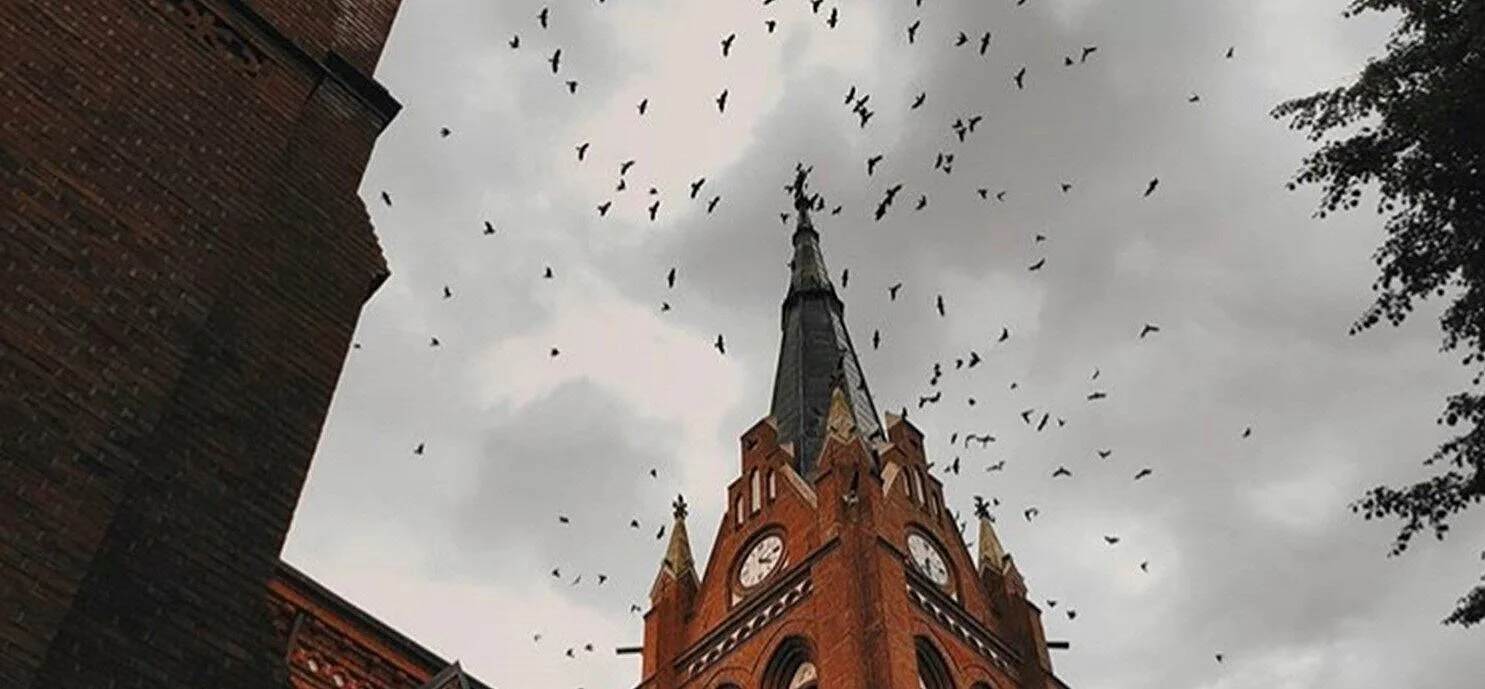
Photo by Keith Helfrich on Unsplash
““I think that white America is being asked, person by person, to let go of privilege, of distorted and harmful narratives about what this country is, and in this time of common hurting, where the hurt is still being disproportionately dispersed, we are each called to enter our inner rooms, confront our own complicity, failings, and guilt, and emerge as agents of change. ””
